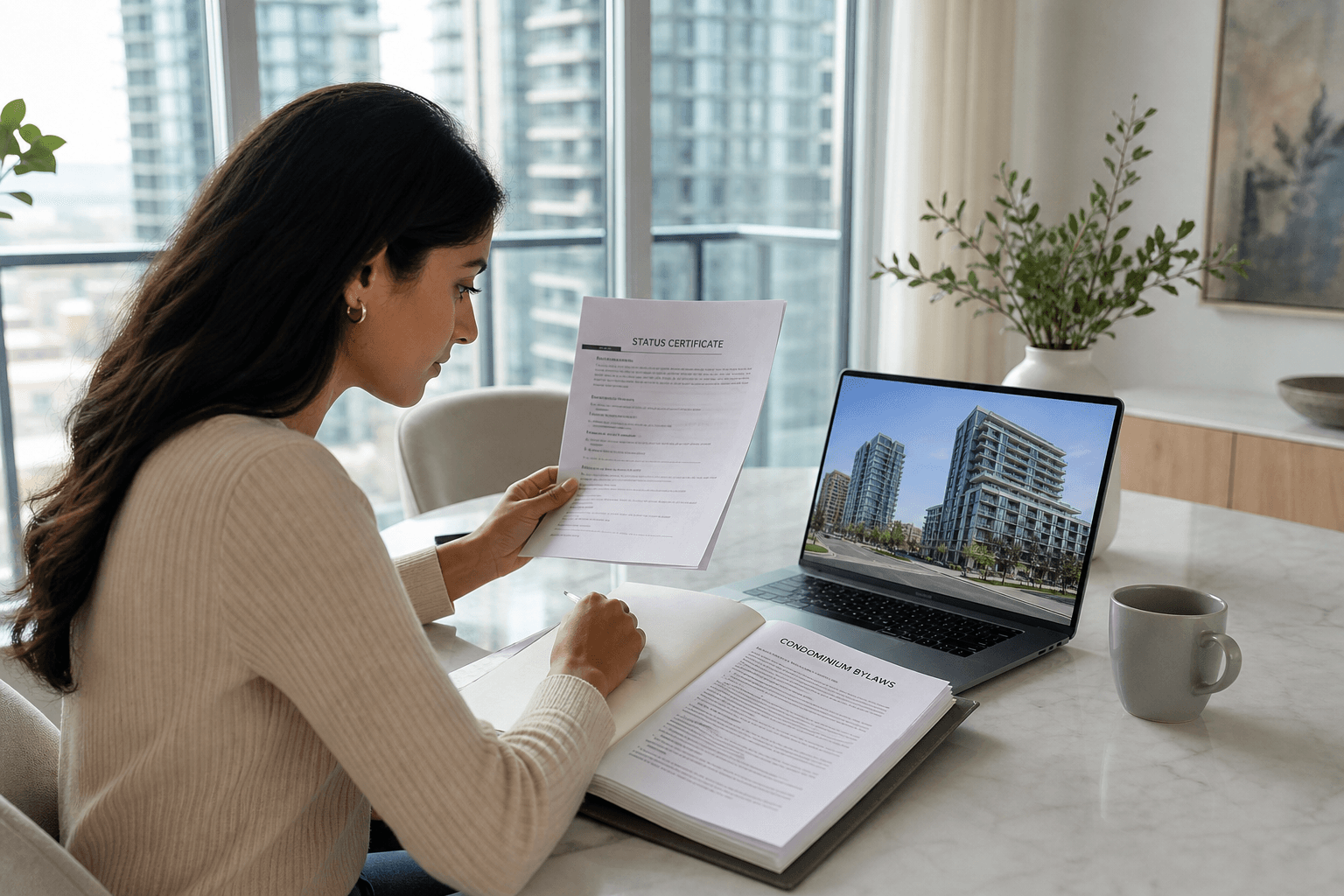
Prepare for a Mississauga pre-construction condo consultation with a checklist for budgets, deposits, documents, timing, and informed decisions before reserving.
A Mississauga pre-construction condo consultation should be more than a discussion about available suites. It should help you decide whether a specific project fits your intended use, budget, financing readiness, timeline, and tolerance for uncertainty before you submit a worksheet or sign an agreement.
The most useful consultation gives you a structured way to compare project information, identify missing facts, and separate confirmed terms from estimates or sales assumptions. It does not guarantee an allocation, future appreciation, rental income, financing approval, or a successful purchase.
What a Mississauga Pre-Construction Condo Consultation Should Help You Decide
Start with the decision, not the brochure. You should leave the conversation with a clearer view of whether the project suits your objective and what must be confirmed before moving forward.
For an end user, that may mean testing the unit layout, location, expected occupancy timing, building features, rules, and total ownership costs against your household plans. For an investor, it may mean reviewing the intended tenant or user profile, cash requirements, carrying costs, evidence behind income assumptions, possible exit routes, and the risks of a delayed or changed project.
Qasim Khan is identified as a Sales Representative with The Realty Bulls Brokerage. His practice assists buyers with condo and pre-construction conversations, project information, property comparisons, and guidance through the real estate process. The role is to help organize questions and information, not replace legal, mortgage, tax, engineering, appraisal, or financial advice.
What to Prepare Before Your Consultation

A focused preparation list makes the meeting more useful and helps prevent a preferred unit or attractive incentive from becoming the only basis for your decision. Write down the following before reviewing a specific project.
1. Your purchase objective and intended use
- Are you buying a primary residence, a future home, a rental property, or another defined purpose?
- Who is expected to use the unit, and what layout, parking, storage, accessibility, or amenity needs matter?
- Is your priority location, space, timing, flexibility, long-term ownership, income, or a combination?
- What circumstances would make you stop reviewing the project?
2. Your financial position
- What purchase range is realistic after considering more than the advertised price?
- How much cash can you commit to deposits without exhausting your personal or investment reserves?
- Have you discussed borrowing capacity and future financing assumptions with a mortgage professional?
- What monthly carrying cost could you manage if income were lower than expected or expenses increased?
- What reserve would remain for closing-related expenses, moving, repairs, vacancies, or other changes?
3. Your location, unit, and timing preferences
List the Mississauga communities you would consider, along with any acceptable alternatives elsewhere in the GTA. Be specific about unit type, bedroom count, floor preference, exposure, parking, storage, outdoor space, accessibility, and maximum distance from important services or destinations.
Also record your timeline. A buyer who needs a home by a particular date should assess project timing differently from someone who can tolerate uncertainty. Decide which preferences are essential, which are flexible, and which would make the opportunity unsuitable.
For a broader framework, use this GTA investment analysis checklist to organize your objective, budget, timeline, evidence quality, cash requirements, risks, and exit questions before the meeting.
How to Compare a Pre-Construction Condo Project
Do not compare projects on price or promotional language alone. A project should be reviewed as a combination of location, unit, building, contract, timing, costs, and evidence.
| Comparison area | Questions to ask |
|---|---|
| Location | Does the community fit your intended use, daily travel, services, and long-term plans? Which location claims are confirmed rather than promotional? |
| Unit and building | What are the unit dimensions, exposure, layout, parking, storage, amenities, fees, rules, inclusions, and exclusions? |
| Project stage | What is known about construction, occupancy, closing, and potential changes? Which dates are estimates, and which are contractual terms? |
| Financial commitment | What is the complete deposit schedule, and how much cash is required at each stage? What other purchase, financing, occupancy, or closing costs must be considered? |
| Ongoing ownership | What are the expected monthly obligations, including fees, taxes, utilities, insurance, maintenance, financing, and possible management costs? |
| Risk and flexibility | What happens if the project is delayed, costs change, financing is unavailable, or your personal circumstances change? |
Current property opportunities can help buyers understand the types of homes, condos, and pre-construction properties being presented. Treat any listing or marketing summary as a starting point. Project terms, availability, deposits, and timelines must be confirmed from current official materials for the specific opportunity.
For every important statement, label it as one of four things: verified fact, estimate, assumption, or unknown. This simple distinction prevents a projected occupancy date, estimated rental figure, or suggested future amenity from being treated as a guaranteed outcome.
Money and Timing Questions to Review Before Reserving
Deposit timing is not the same as total affordability. A buyer may be able to manage the first payment but not the full schedule, later financing requirements, closing expenses, or ongoing ownership costs.
Ask for the amount and due date of every deposit, the acceptable payment method, and the consequences of a missed payment. Confirm whether the schedule changes over time and whether any part depends on construction milestones. Do not rely on a generic schedule when the project’s current documents may contain different terms.
Then build a complete cash picture. Include the purchase price, deposits, financing costs, taxes and fees that apply, legal costs, adjustments, insurance, moving expenses, furnishings, utilities, condo fees, property taxes, maintenance, and an emergency reserve. Exact amounts depend on the property and your circumstances, so confirm them with the appropriate professionals.
Timing deserves equal attention. Ask what is currently known about interim occupancy, final closing, construction changes, and possible delays. If you plan to rent the unit, test whether the strategy still works with a conservative income assumption, vacancy, management costs, and higher-than-expected carrying costs. Do not treat an anticipated rent or resale value as guaranteed.
Documents and Information to Review
Request current documents for the specific project and unit before treating an opportunity as ready for commitment. Review the purchase agreement, disclosure statement, applicable buyer information, deposit terms, unit details, inclusions, exclusions, rules, dates, and material amendments.
Pay close attention to provisions that may affect your cash needs, obligations, unit size, finishes, occupancy, closing, assignment, termination, or the developer’s ability to make changes. If a sales summary conflicts with the agreement or disclosure materials, do not assume the summary controls.
Ontario states that buyers of a new or pre-construction condo may have a 10-day cancellation period after receiving the fully signed purchase and sale agreement, the disclosure statement, and the Residential Condominium Buyers’ Guide. The Condominium Act also describes a 10-day rescission period after delivery of the disclosure statement and material amendments in the circumstances covered by the statute. Read the official Ontario guidance and have a qualified Ontario real estate lawyer review the specific agreement and timing before you rely on any right to cancel.
Who Should Confirm Each Question?
A representative can help you organize project information and identify questions, but different questions belong with different professionals.
| Question or task | Who should confirm it? |
|---|---|
| Does the project fit your preferred location, unit type, and stated goals? | You, with guidance from your real estate representative |
| What are the project’s current availability, deposits, dates, inclusions, and representations? | Current developer materials and the representative handling the opportunity |
| What does the agreement require, and what rights or deadlines apply? | A qualified real estate lawyer |
| Can you qualify for the required financing at the relevant stage? | A mortgage professional or lender |
| How could ownership, rental use, sale, or assignment affect your tax position? | A qualified tax professional |
| Are physical, construction, measurement, or technical concerns material? | The appropriate independent inspector, engineer, or other specialist |
What Happens Before You Submit a Pre-Construction Worksheet
A worksheet can organize your contact details, preferred project, unit or lot choice, and requested identification documents when you are pursuing a specific opportunity. It can make your preferences clearer and help the conversation move efficiently.
However, submitting a worksheet does not obligate you to purchase a suite, and it does not guarantee an allocation or any other outcome. Before submitting one, understand what information is being requested, how it will be used, and which project terms still need to be confirmed.
A Final Consultation Checklist
- I can explain my purchase objective and intended use in one or two sentences.
- I have separated essential requirements from flexible preferences.
- I know my realistic budget, available deposit funds, financing position, and reserve plan.
- I have listed questions about the unit, building, location, deposit schedule, occupancy, closing, and ongoing costs.
- I will request current official project documents rather than relying only on a brochure or verbal estimate.
- I have marked important information as verified, estimated, assumed, or unknown.
- I know which questions require a lawyer, mortgage professional, tax adviser, or other specialist.
- I understand that a worksheet is not a purchase commitment or allocation guarantee.
- I have written down the conditions that would make me pause or walk away.
Frequently Asked Questions
When should I book a Mississauga pre-construction condo consultation?
Book one when you are moving from general browsing to evaluating a project, unit type, budget, or purchase timeline. Earlier guidance can help you define requirements and financing questions before you submit a worksheet or respond to time-sensitive sales information.
What documents should I bring to a pre-construction condo consultation?
Bring your project or unit information, written preferences, budget notes, financing questions, deposit capacity, timeline, and any material already provided by the developer or sales team. Do not send identity documents until you understand why they are requested and how they will be handled.
Does submitting a pre-construction worksheet obligate me to buy a condo?
According to the supplied worksheet information, submitting it does not obligate you to purchase a suite. It also does not guarantee an allocation or outcome. A signed purchase agreement is a separate matter and should be reviewed carefully with a lawyer.
What should I confirm before signing a pre-construction condo agreement?
Confirm the unit and purchase price, deposit schedule, included and excluded items, disclosure materials, dates, closing and occupancy provisions, rules, possible changes, financing plan, and total cash requirements. Have a qualified real estate lawyer review the specific agreement and ask a mortgage or tax professional to address their areas of responsibility.
Make the Consultation a Decision Checkpoint
The strongest reason to book a Mississauga pre-construction condo consultation is not to create urgency. It is to turn an attractive project into a structured decision. Define your objective, test the full cash and timing requirements, compare the project against realistic alternatives, and identify every unknown before you commit.
Prepare the checklist, gather current documents, and obtain specialized advice where the question falls outside real estate guidance. For a private conversation about reviewing GTA pre-construction opportunities, contact Qasim Khan Real Estate.
Written by
Qasim Khan
Real Estate Professional, QASIM KHAN Real Estate